Police Techniques for Identifying Dangerous Criminals
Criminal profiling led to the conviction of Ted Bundy, Jeffrey Dahmer, and the Unabomber.
What is criminal profiling?
The U.S. Department of Justice describes criminal profiling as a technique for identifying the perpetrator of a violent crime by examining their personality and behavior based on crime scene analysis.
This specialized investigative technique is often used by law enforcement agencies.

What is the history behind criminal profiling?

The systematic analysis of behavioral patterns to identify suspects was a significant advancement in law enforcement practices, thanks to their insights.
How do investigators build a criminal profile?
They also examine the background and circumstances of the victims to search for possible connections or motivations.
By using empirical data, deductive reasoning, and psychological analysis, investigators can develop a detailed profile to help law enforcement identify and capture the criminal.
What are the different types of criminal profiles?
Murderers are often classified into two categories: organized and disorganized.

Law enforcement agencies must comprehend these distinctions to effectively investigate suspects and generate leads and direct investigative efforts.
How do I become a criminal profiler?
Typically, criminal profilers possess backgrounds in psychology, criminology, or forensic science and hold advanced degrees and specialized training in behavioral analysis and criminal investigation.
Programs and certifications in profiling encompass subjects like crime scene analysis, behavioral profiling, and criminal psychology.
What famous cases were solved through criminal profiling?
The Unabomber, Ted Kaczynski, was a domestic terrorist who carried out a series of bombings over nearly two decades, resulting in multiple deaths. The FBI's analysis of his manifesto and behavior patterns was critical in identifying and apprehending him in 1996.

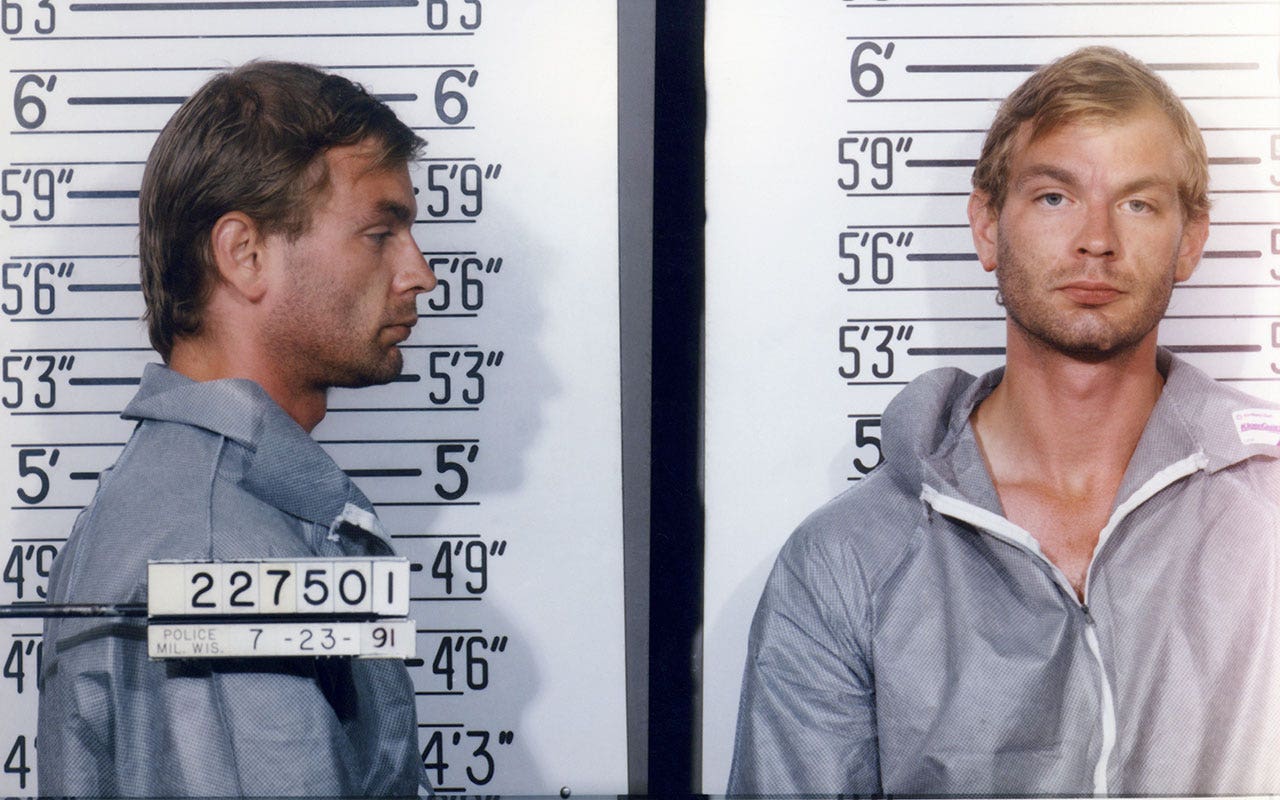
Investigators were able to analyze Dahmer's crimes with the help of profilers, who identified patterns such as his preferred method of luring victims, his choice of victims, and how he disposed of their bodies. This understanding aided in the investigation and ultimately led to Dahmer's arrest in 1991.
Notable cases have demonstrated the effectiveness of criminal profiling as a valuable tool in law enforcement.
us














You might also like
- In the Bryan Kohberger case, a judge in Idaho hears a defense motion regarding the murders.
- A fire broke out in Los Angeles County, prompting officials to issue evacuation orders.
- As fears of ICE raids intensify, a bustling Chicago district, often referred to as the "Mexico of the Midwest," has become a ghost town.
- Injured in a shooting at Antioch High School in Tennessee, three people were left in a lockdown.
- A German national who worked at the Pentagon during 9/11 was allegedly killed by a Vermont Border Patrol agent, according to the family.