'The Lone Ranger' debuts on January 30, 1933, becoming a cultural icon in American history.
The original dynamic duo, consisting of a masked lawman and his sidekick Tonto, fought against Wild West outlaws with the iconic cry of "Hi-yo, Silver!"
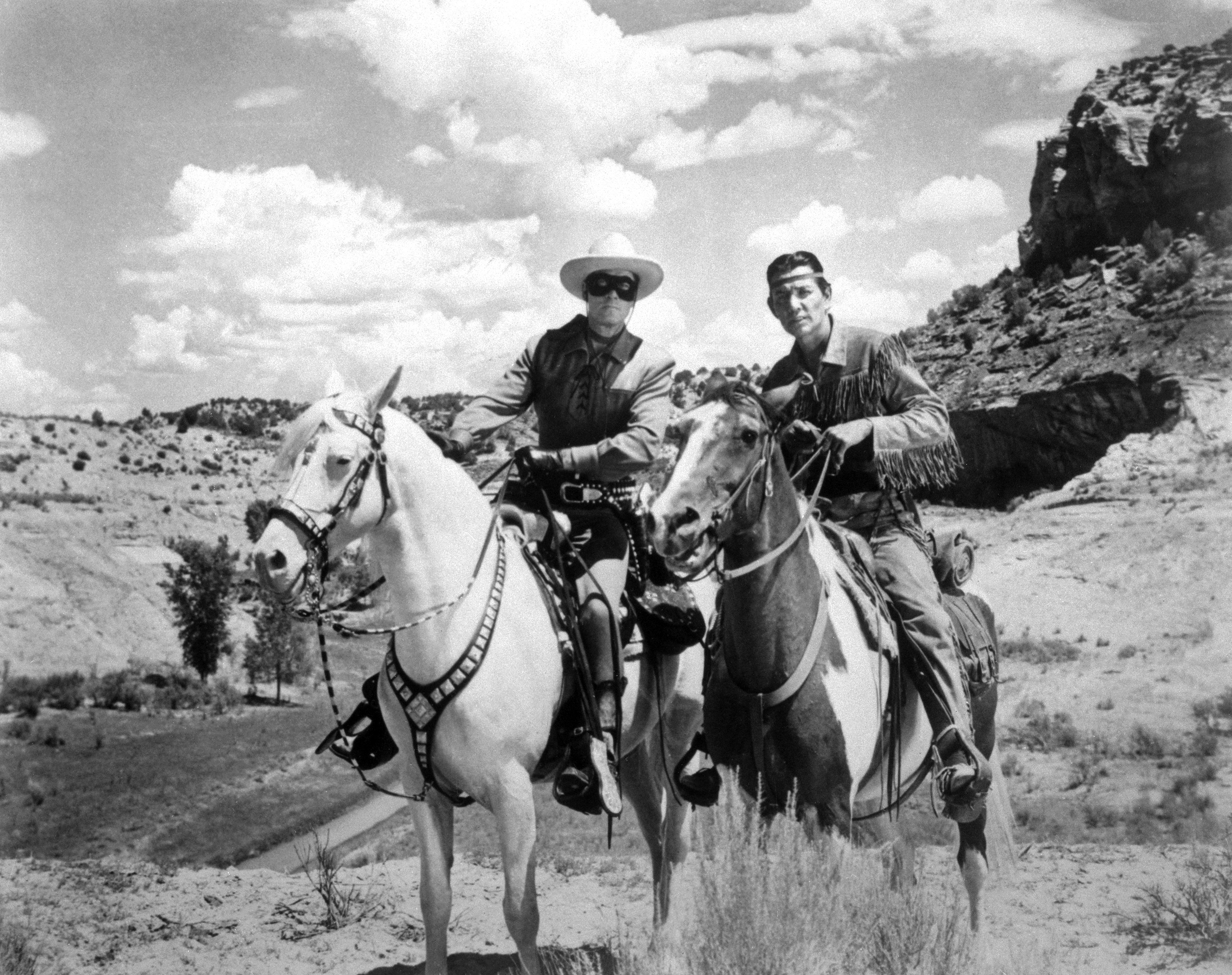
On January 30, 1933, "The Lone Ranger" and his faithful horse Silver first appeared in American history, becoming a symbol of justice in the Wild West.
The original crime-fighting duo of multimedia fame was formed when the Lone Ranger was joined by his Native American sidekick, Tonto.
Over the next two decades, more than 3,000 radio episodes of the program premiered on WXYZ in Detroit.
The Smithsonian Institution notes that "The Lone Ranger" quickly gained popularity and became famous for his distinctive black domino mask, code of honor, silver bullets, and horse Silver.
"The Lone Ranger follows a moral code that prioritizes avoiding violence and only shooting to disarm, rather than killing, while using silver bullets as a symbol of the importance of human life."

The radio show, intended for children, attracted a massive audience of millions of listeners, including adults.
For 80 years, 'The Lone Ranger' would be featured in comic strips, TV shows, and films, as well as an extensive line of merchandise, including action figures, costumes, books, and toy guns, according to Indian Country Times, a news site covering indigenous American culture.
"He's a vigilante lawman … a hero made for radio audiences of the Great Depression."
"The TV Western was defined by the show, leading to the inspiration of numerous other titles."
"The Lone Ranger," which first aired on ABC in 1949, was a popular TV show during the early era and ran until 1957. After its cancellation, other TV adaptations were made.
The Lone Ranger and Tonto inspired a series of novels, beginning in 1935, and made their comic book debut in 1939.
In 2013, the latest Hollywood version of the Lone Ranger and Tonto's adventures featured Arnie Hammer as Lone Ranger and Johnny Depp as Tonto.

Numerous voice and screen actors played the roles over the years.
Lone Ranger and Tonto are most closely associated with Clayton Moore and Jay Silverheels, who played the characters on television for many years.
A dramatic back story brought together the masked lawman and his Comanche friend.
"It's obvious to the child listener that great men have no racial or religious prejudice." — Fran Striker Jr.
Outlaws ambushed and gunned down Lone Ranger, one of six Texas Rangers.
An Indian man discovered the ambush scene after the shooting had ceased. The ranger, although injured and near death, had previously saved the Indian man from outlaw raiders during a chance encounter when they were both young boys.
"The Indian saved his childhood friend, took him to a nearby cave, and nursed him back to health. Four days later, the surviving Ranger arrived and asked his savior what had happened to his comrades. The Indian showed him the graves of the other five Rangers, and said, "You are the only Ranger left... You are the Lone Ranger.""

The ambush strengthened their bond and their determination to combat crime, making the program more popular. The Lone Ranger donned a mask to deceive Butch Cavendish into thinking he had been killed during the attack.
George W. Trendle and Fran Striker developed the character of the Lone Ranger for radio.
WXYZ was owned by Trendle and produced by Striker, who created the characters and wrote the script.
After 10 episodes of the series, the masked ranger riding alone needed a sidekick to add dialogue to the show, so they devised the ambush origin story.
The main characters demonstrated racial unity through their actions, rather than just words, without engaging in the social media grandstanding that often prioritizes preaching over practice.
The Lone Ranger's acceptance of the Indian as his closest companion indicates that great men do not have racial or religious prejudice, as Fran Striker Jr. explained to NPR.
American English was influenced by "The Lone Ranger," along with other factors.

""Lone Ranger," Tonto's endearing term for "friend," is a colloquial expression."
The word originated in the Ojibwe language.
The Lone Ranger's famous "Hi-yo, Silver!" yelp is often heard before any daring, fearless charge into action.
An individual who is pursuing something independently is often referred to as a "lone ranger."
"I believe in my Creator, my country, my fellow man." — Lone Ranger creed
"The William Tell Overture," famously known as "The Lone Ranger's" theme song, has been popularized among Americans for generations.
Another masked hero, The Green Hornet, was spun off by the program's creators and gained popularity in various media formats, including radio, TV, comic books, and film.

The Lone Ranger creed, which embodies the moral code of the vigilante lawman, was created to inspire hope in American values during the Great Depression.
"Striker, writing on behalf of Lone Ranger, stated that in order to have a friend, a man must be one; all men are created equal and possess the ability to make the world a better place; and this government, established "of the people, by the people and for the people," will endure forever."
The Lone Ranger's creed consists of 10 values, culminating in the belief in his Creator, his country, and his fellow man.

Lifestyle













You might also like
- Post-inauguration, the surprising truths about DC travel costs.
- Melania and Donald Trump celebrate their 20th wedding anniversary: View the images.
- John Schneider, known for his role in 'Dukes of Hazzard,' remains steadfast in his belief: "God has a plan."
- Notre Dame football coach and Catholic convert is 'not shy about' the importance of faith.
- Trump confidant and unofficial spiritual advisor: "God is granting America another opportunity"